
Town Hall Dispatches
Data Center Proposed for Madison County; Family Farm Chosen as Build Site
A 900-acre hyperscale data center could be headed for a 113-year-old family farm — and 94-year-old Loretta Whitfield is not going quietly.
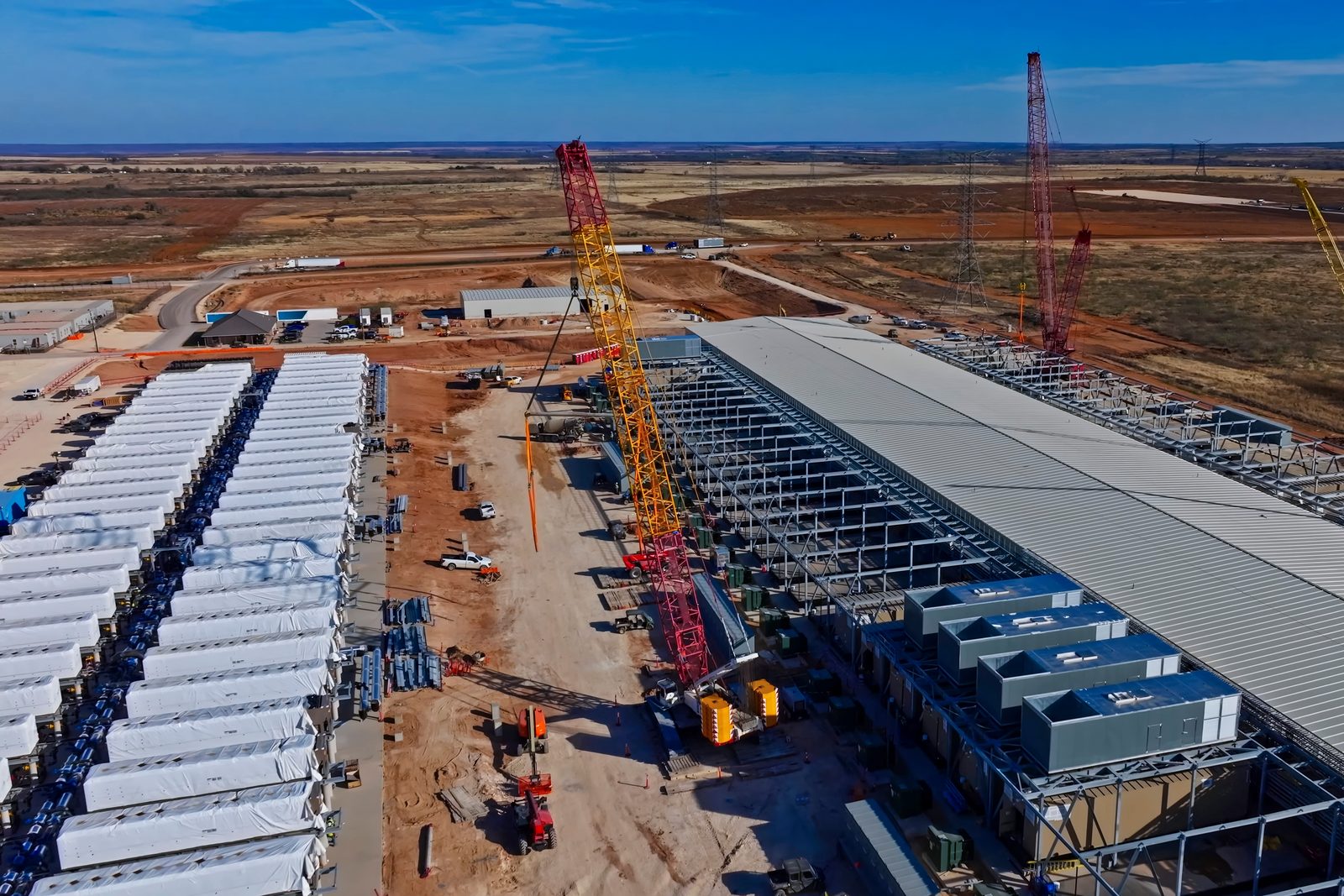
RICHMOND — A packed county planning meeting erupted into confusion Tuesday night after executives from tech conglomerate Clearwater Horizon Nexus unveiled a proposal to construct a 900-acre hyperscale data center on a family farm owned by 94-year-old Richmond resident, Loretta Whitfield. The family's 113-year-old cattle farm, a plot of land first deeded to the family in 1913, is still occupied by Whitfield, a twice-widowed matriarch, longtime 4-H judge, and — until Tuesday night — the undisputed authority on what happens to her own front porch.
The project, which company literature describes as “a once-in-a-generation compute campus positioned to serve the AI infrastructure needs of the Southeast,” reportedly came together after Clearwater Horizon Nexus scouted the region using a proprietary site-selection algorithm that prioritized “flat terrain, abundant groundwater, and minimal existing occupancy.” Company filings indicate the Whitfield farm scored highly on all three metrics, with the algorithm flagging the farmhouse itself as “legacy structure, low reuse value.”
If approved, the plan would relocate Loretta to what the company is calling a “purpose-built resilience unit” — a reinforced shed situated roughly thirty feet from a proposed bank of diesel backup generators.
“To be clear, nothing has happened yet,” said company spokesperson Chad Brennan-Voss, gesturing at a slideshow titled “Whitfield Farm: A Legacy Reimagined.” “This is all hypothetical. Hypothetically, though, if we do knock down the farmhouse, the barn, and what our engineers keep referring to as ‘the pond situation,’ we want the family to know Grandma Loretta is priority one. We've already selected the shed.”
Loretta, seated in the front row with her walker parked beside a “PLEASE DO NOT REMOVE” sign taped to her folding chair, said this was the first she'd heard of any shed.
“I have lived on this farm since Eisenhower was president,” she said. “I buried Hubert under that sycamore tree in 1988, and I buried Wendell right next to him in 2003, and now this young fella in a fleece vest is standing up there tellin' me they might need to ‘temporarily relocate the deceased’ on account of where the cooling pipes gotta run. Temporarily relocate. Like Hubert's got somewhere else to be.”
Company engineer Dustin Pratt-Halloway confirmed the graves were “technically within the footprint of Phase 2,” but stressed the company was “exploring options,” including what he called “a real respectful reinterment package” and, alternatively, “just kind of building around them, if the load-bearing math allows it.”
“We ain't diggin' up my daddy so somebody in California can ask a computer what rhymes with orange. Hubert fought in Korea. He didn't fight in Korea to end up under a transformer.”— RICKY WHITFIELD, LOCAL RESIDENT
Ricky said the family was still waiting on official paperwork but had already been shown architectural renderings of the proposed facility, including a server hall where the hayloft currently stands and what he described as “a real aggressive-lookin' transformer” positioned near his mother's future bedroom window.
“They keep sayin' ‘nothin's final,’” Ricky said, “but they done already named the coolin' pond after us. It's called ‘Whitfield Reservoir Asset 1.’ Feels pretty dang final to me.”
His daughter, Ashley Whitfield-Combs, said she was most concerned about the family's cattle, who under the current proposal would be “voluntarily rehomed to a facility of comparable pastoral character” — a phrase that, when she pressed for clarification, turned out to mean a petting zoo two counties over.
“They put up a slide with a little cartoon cow on it, just a-smilin' away,” Ashley said. “Cow's labeled ‘Bessie (relocation candidate).’ Our cow's name is Debbie. Debbie has never smiled a day in her life. Debbie don't even like Tuesdays.”
Ashley's younger brother, Tyler, said he was less concerned about the cattle and more concerned about the rooster, Gerald, who was not mentioned anywhere in the 214-page proposal.
“Ain't one word about Gerald in there,” Tyler said. “Not one word. That rooster has run this farm since 2019. He whooped a UPS man so bad the fella requested a different route. Y'all really think Gerald's just gonna let a bulldozer roll up in his yard? He don't even let the mailman out the truck.”
Company founder Bryce Kalladin-Ford, appearing via livestream from what appeared to be a hot tub overlooking a private lake, assured residents the plan was still “very much in the listening phase.”
“We hear the concerns,” Kalladin-Ford said. “We hear them, and honestly, we respect them so much that we've already ordered the shed. It's got insulation. It's got a window. Grandma Loretta is going to have a better view of the generators than most of my board members have of the ocean. And on the graves — look, death is really just a legacy data storage problem, when you think about it. We're not disrespecting Hubert and Wendell. We're migrating them to a more efficient plot.”
When asked whether the family could at least keep Loretta's rocking chair, Brennan-Voss confirmed it was “pending structural review” to ensure it wouldn't interfere with proposed fiber routing, but called himself “cautiously optimistic.”
County officials say a final vote on the proposal is expected within sixty days. In the meantime, the Whitfield family has been asked to refrain from planting any new crops and, per an addendum sent Wednesday morning, to “avoid unnecessary emotional attachment to the sycamore tree.”
Loretta, for her part, said she has already begun making peace with the shed, on one condition.
“I want it on the record,” she said, “that if that thing so much as flickers durin' my stories, I am walkin' straight back into that farmhouse — structural review, dead husbands, and all.”
Letters to the Editor
Speak now, or forever hold your suspicions.
Continue Monitoring
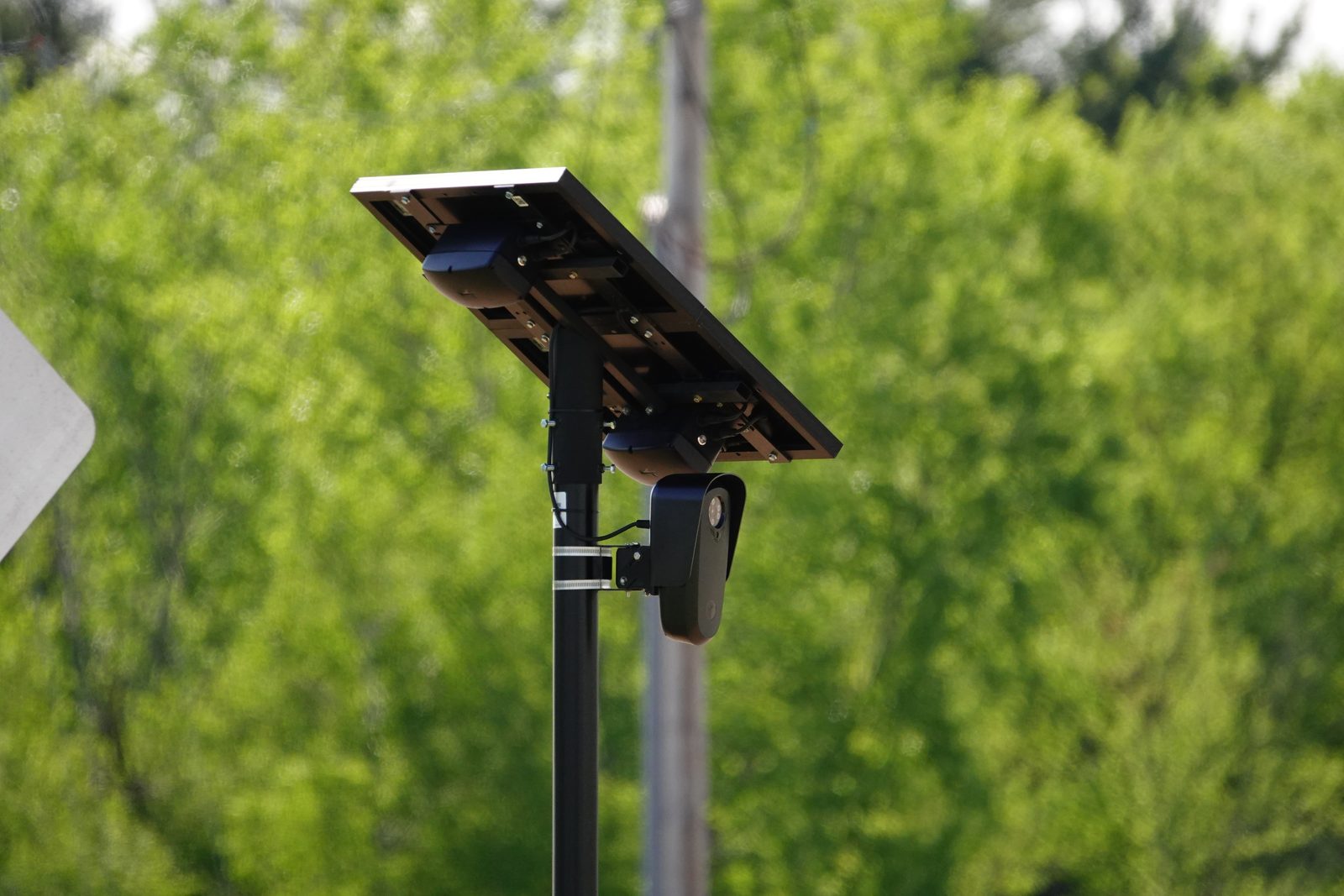
Berea Police Department Phases Out Neighborhood Grandmothers in Favor of AI-Powered Flock Cameras
A $340,000 camera network is taking over for the porch-watch grandmothers — and getting outperformed by a possum named Chester.

Madison County Airport Closed for Foreseeable Future Due to Ongoing Amy McGrath Campaign Filming
Three jets, seventeen landings, and one very determined soccer mom in aviators have grounded the county's only runway indefinitely.

Richmond City Commission Meeting Erupts Into Full-Blown Wrestling Match
One man was fired without a reason, one was un-fired without an apology, and the meeting went so far off-script even the referee stopped enforcing rules.